
COA Yucatán program marks 30 years with performances and talks

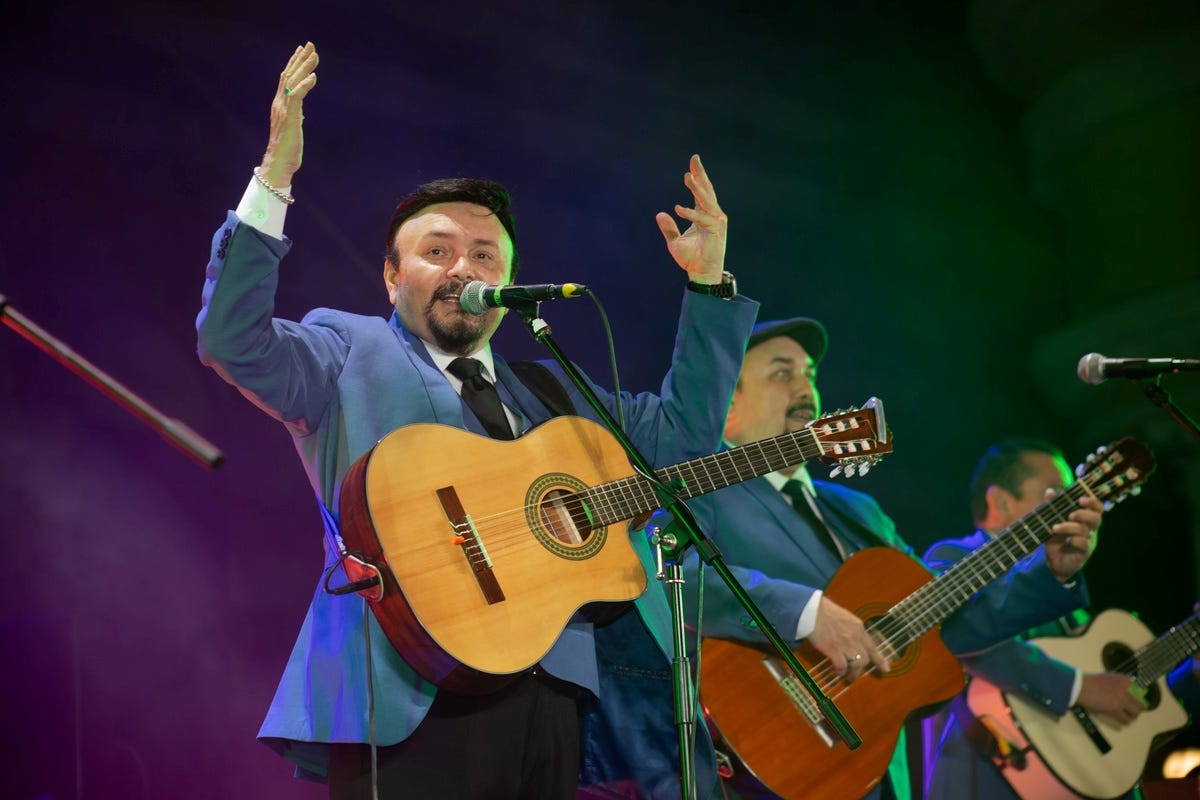
BAR HARBOR — College of the Atlantic celebrates 30 years of cultural exchange programs in Yucatán, Mexico with a series of events Oct. 21-24. The week includes talks with Mayan scholars, a Spanish cultural show, and a rousing performance by Los Juglares, Yucatán’s premier trova serenade group. All events are free and open to the public.
The week begins on Tuesday, Oct. 21 with Climate Change Through the Xok K’iin, or Mayan Cabañuelas, a talk with Mayan agronomy expert Bernardo Caamal Itzá. Caamal Itzá will share the perspectives of Mayan milperos (maize growers) on climate change, highlighting their traditional method of weather forecasting based on natural signs and patterns observed during the first 12 days of January. The talk takes place in the Davis Center for Human Ecology, Rm. 102, at 6:30 p.m.
Festivities move into high gear on Wednesday, Oct. 22 with the COA Festival de Español. Led by professors Karla Peña and Gray Cox, Spanish language immersion students bring their learning of Spanish to life through dynamic performances and lively celebration, presenting an immersive showcase of language, rhythm, and theatrical flair. The show takes place at 6:30 p.m. in the Thomas S. Gates, Jr. Community Center.
On Thursday Oct. 23, Yucatán community leader and environmental advocate José Inés Loria Palma presents: Mangroves as a Local Development Alternative in the Coastal Communities of Yucatán and Mexico. Loria Palma, the executive director of the San Crisanto Foundation, will discuss his group’s community-based initiatives and grassroots efforts that are powered by Mayan traditional wisdom, beginning at 6:30 p.m. in the Davis Center for Human Ecology, Rm. 102.
Capping off the week on Friday, Oct. 24 is a live concert by Los Juglares, who employ harmonious guitars, requinto duels, and masterful vocal interplay to create a unique connection with their audience. Over their 35-year career, Los Juglares have become Yucatán’s preeminent trova group, performing in more than 20 countries around the globe. The performance takes place in the Thomas S. Gates, Jr. Community Center at 7 p.m.
COA’s innovative program in Spanish language, cultural immersion, and exchange in Mexico’s Yucatán peninsula has, since 1995, acted as a gateway for students to work in human ecology throughout Latin America and the world at large. The program combines a total immersion method with a trans-disciplinary, place-based approach to community-centered, applied learning.
Programas de Inmersión Cultural en Yucatán is directed by professor Karla Peña, an expert on total immersion language teaching, who offers intensive courses on campus each fall. These are followed by a 13-week program in Yucatán that integrates language, culture, and history with a full range of workshops in science, arts, and crafts. These prepare students for three-week independent projects that vary across a range of topics in human ecology.
The program enables students, who in most cases start with essentially no Spanish, to demonstrate a strong, intermediate, working level of the language within six months. Over the years, subsequent internships and independent projects have led many program participants to careers employing Spanish in a number of fields, including teaching, law, research, government administration, and the arts.